Showing posts with label Sidewalk Games. Show all posts

Saturday, September 12, 2020

Outgoing Mail: September


~~~
I am continuing to share about the Fruit of the Spirit. I am using Creative Faith & Co.'s Produce in Me devotional. The lessons are available in Spanish and in English, and have cute printables that can be attached! This month's topic was Faithfulness. 


Dear Friend,
The next fruit of the Spirit that we are looking at is Faithfulness! Hillary Krippaehne writes:
"Faith can be defined as having complete trust or confidence in someone or something. This week I had a faith wake-up call. I was complaining to someone there are not enough hours in the day to get everything done. I was feeling incredibly overwhelmed by all the work on my plate. My friend replied, “You feel like this because you’re not trusting God. You are not applying your faith. You are trying to do it all alone.” Ouch. I felt like the disciples when they asked Jesus why they could not cast out the demon.
Read Matthew 17:14-20.
They ask Jesus why they could not do it, and he said they need to have more faith. Jesus said nothing will be impossible for them (and for us) when we trust in him.
In Luke 17:5-6 the disciples ask Jesus to increase their faith, and Jesus uses the mustard seed example again. Only this time he tells them they can move a tree with a small amount of faith.
God Almighty, forgive us for our lack of faith. Help us to not think with our human brains, but to trust and have confidence in things not seen. Help us to remember that Your faithfulness reaches to the skies. Give us faith the size of a mustard seed and watch us move mountains and trees with You by our side. In Jesus’ name, amen.
Going deeper:
 Draw Psalm 57:10.
 Write a prayer, asking God to give you greater faith.
 Illustrate the size of your faith.
 Draw a mountain or a tree to remind you of Matthew 17 or Luke 17, and journal about where you need extraordinary faith in your life right now.
 Read 1 Corinthians 13:2 and reflect on this verse."
One of my favorite Bible verses about faithfulness talks about God's faithfulness! Lamentations 3:22-23 says, "Because of the Lord’s great love we are not consumed, for His compassions never fail. They are new every morning; great is Your faithfulness." Do you have a favorite verse that talks about faithfulness?
Love,
Hannah

I included the illustration that goes along with the lesson and a coloring page


~~~

Last year we painted some fun fairy tale pictures, and I wanted to share them, along with the story of The Princess and the Pea, with our kids! 


Dear Name, 
Last spring, for school, we studied the Scandinavian countries of Sweden, Norway, and Denmark. There is a famous author, Hans Christian Anderson, who is from Denmark. He wrote many fairy tales, including The Snow Queen, The Ugly Duckling, The Little Mermaid, The Emperor's New Clothes, The Steadfast Tin Soldier, and Thumbelina. One of my favorite stories that he wrote is The Princess and the Pea, and I wanted to share it with you! 
"Once upon a time there was a prince who wanted to marry a princess; but she would have to be a real princess. He travelled all over the world to find one, but nowhere could he get what he wanted. There were princesses enough, but it was difficult to find out whether they were real ones. There was always something about them that was not as it should be. So he came home again and was sad, for he would have liked very much to have a real princess. 
   One evening a terrible storm came on; there was thunder and lightning, and the rain poured down in torrents. Suddenly a knocking was heard at the city gate, and the old king went to open it.
It was a princess standing out there in front of the gate. But, good gracious! what a sight the rain and the wind had made her look. The water ran down from her hair and clothes; it ran down into the toes of her shoes and out again at the heels. And yet she said that she was a real princess.
   “Well, we’ll soon find that out,” thought the old queen. But she said nothing, went into the bed-room, took all the bedding off the bedstead, and laid a pea on the bottom; then she took twenty mattresses and laid them on the pea, and then twenty eider-down beds on top of the mattresses.
On this the princess had to lie all night. In the morning she was asked how she had slept.
   “Oh, very badly!” said she. “I have scarcely closed my eyes all night. Heaven only knows what was in the bed, but I was lying on something hard, so that I am black and blue all over my body. It’s horrible!”
   Now they knew that she was a real princess because she had felt the pea right through the twenty mattresses and the twenty eider-down beds.
   Nobody but a real princess could be as sensitive as that.
   So the prince took her for his wife, for now he knew that he had a real princess; and the pea was put in the museum, where it may still be seen, if no one has stolen it.
   There, that is a true story."
I colored the Snow Queen, and included a coloring page of the Princess and the Pea for you! I love you! Hugs & Kisses, Hannah

I included paintings that Rosi or I did, along with a blank coloring page, the Tin Soldier for the boys and Princess and the Pea for the girls. There are a few different versions, since we have kids who attend the same projects. 


~~~

Happy Writing!

Saturday, May 11, 2019

Outgoing Mail: May


~~~

This month, I sent the story of Peter Rabbit to our sponsored kids! My inspiration came from Michelle who blogs By Quiet Waters (I copied, pasted and then edited her letter to suit my needs). The story of Peter Rabbit can be found via The Gutenberg Project, and I found the image of Beatrix Potter (along with a few more illustrations) on the blog Art Then and Now.


I copied and pasted the text of the Peter Rabbit story into a file and then added illustrations (many found via a Google images search) to create a two page attachment for an online letter!


~~~

Also, since we studied the Mayans and learned some more about Central America, I thought I would share some of what we had learned with our kids. I also shared a fun Mexican game called La Gallinita Ciega. I also shared the story of Cucú, along with some of the book's artwork (since we used that story's illustrations to inspire our own art).


Dear X,
Juanito is in Kindergarten and Rosie is in preschool, and next school year (August 2019) they will be in 1st grade and Kindergarten! I am their teacher, and we do school at home. We have been learning about ancient civilizations like the Egyptians, Ethiopians, Israelites, Greeks, Chinese, Romans, and Mayans! We most recently studied the Mayans, and the kids wanted to share some of what they learned with you. The Mayans lived in what is now Guatemala, Honduras and Mexico in Central America (Juanito colored a map of Mexico for you, and he glued a photo of our friend Mauricio who lives there). The Mayans were really good at math and made beautiful art: they were the first civilization to discover the number zero! They constructed pyramids (Juanito and Rosie colored pictures to share!), and Juanito, Rosie, and José tried their best to create the pyramids with small blocks.
I want to share a fun Mayan folktale about the cuckoo bird: "Cuckoo is a beautiful, but lazy bird. The other birds get tired of Cuckoo flying around and singing beautiful songs all day. They complain she never does her share of the work! That is, until one day Cuckoo notices a field fire about to ruin the season's crop they had just worked so hard to plant. Cuckoo saves the seeds by carrying them to safety. This also demonstrates her willingness to put others' needs before her own beauty. The moral of this story: "You can't tell much about a bird by looking at its feathers."" I included a picture of the Cuckoo story cover, because the artwork is beautiful! Juanito, Rosie, and José tried their best to imitate Mayan art and I am sending you photos of what they drew (Juanito drew a sun, Rosie drew a deer, and José drew a toucan).
The game is called La Gallinita Ciega (The Blind Hen), and you need three or more players and a cloth to cover one player's eyes.
1. First, the players choose a player who will be the blind hen (la gallinita ciega).
2. Then they cover the hen's eyes with a blindfold and spin him/her around. The hen has to try to find all the other players, but cannot see them.
3. The other players make noise and say things like: "Here I am. You can't catch me!" Then they run away from the hen. The hen has to follow the noise to find the other children and tag them.
4. When the hen catches a player, he takes off the blindfold and puts it on the player that he caught. That player is the new "blind hen."
5. The game continues until the players decide to stop.
Love,
The Hinojosa Family

I included some photos of our art projects from our study of the Mayans, and for the kids who live in Central America, we took photos holding their photos!


~~~

Happy Writing!

Saturday, August 13, 2016

Letter Writing: Burkina Faso

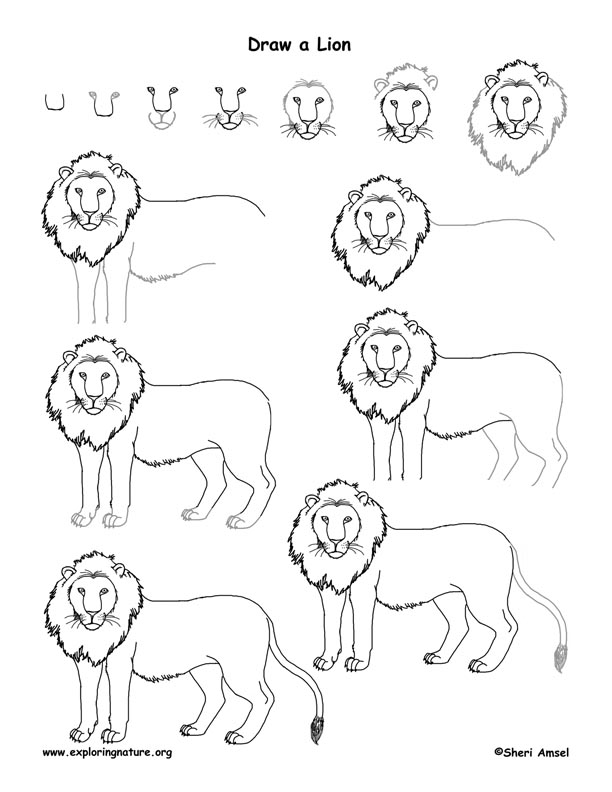
August's letter is focused on Burkina Faso, thanks to the directions for Leenda on the Step Into My Shoes Blog. I chose to write about lions because they are Ndeleva's favorite animal and I like trying to learn more about each kids' favorite! I got my information from Compassion, Facts King, Science Kids and National Geographic Kids. The map, flag, and photos were found through a Google image search. Click here to get the how-to-draw page. I just love being able to add extra pages with photos and activities!

Here's a picture of the letter I sent:


If you would like to share this letter with your sponsored child, here is what I wrote:


My precious Friend. I would like to share about Burkina Faso with you today! Burkina Faso, which means "Land of the Honorable People," is a country in West Africa. Burkina Faso has more than 60 ethnic groups. Art made by the Mossi, Bobo and Lobi are the most famous. The Mossi are known for their antelope masks; the Bobo make large butterfly masks; and the Lobi carve wood. Burkina Faso is a leader in African art and culture and hosts the largest craft market in Africa. Music is very important to the people of Burkina Faso. The Mande people of the southwest are known for xylophone music, while the large, centrally located Mossi have courtly music. The Fulbe of the north use complex vocal techniques with clapping percussion. Some famous sites are the Nazinga Reserve which protects a large elephant population, the Bandora region with incredible rock formations called peaks of Sindou, the breathtaking Karfiguela Falls, and Lake Tengrela, where many hippos live. There are three types of crocodiles in Burkina Faso, the Slender-snouted crocodile, Nile crocodile, and dwarf crocodile. I wanted to learn more about them (they also live in Burkina Faso, although most of the lions in Africa lives in southern and eastern Africa). I learned that the average male lion weighs around 180 kg, while the average female lion weighs around 130 kg. Lions can reach speeds of up to 81 kph and their roar can be hear up to 8 km away! Lions usually live in groups of 10 or 15 animals called prides. Female lions do 85-90% of the prides hunting (typically from dawn to dusk), while the male lions patrol the territory and protect the pride.

I would like to share a game from Burkina Faso with you. This game is called Leenda.
To play, you need: 2 long jump ropes, at least 10 feet long
1. Tie the ends of the jump ropes together to make a long circle.
2. Two players stand at opposite ends and face each other. They stand inside the rope circle. Placing their ankles against the rope they push out until the rope is fully extended and off the ground.
3. The first player to jump steps inside the circle of rope with both feet inside.
4. The player jumps several times. Sometimes she lands with one foot outside; sometimes she lands with both feet outside. She alternates which foot is inside and which is outside. Children must jump 7 or 12 times before proceeding to the next level.
5. The players then proceed to different levels of difficulty such as having to jump the rope when it is calf-high, knee-high, hip-high, and even higher if possible.
6. The player who completes the number of required jumps at the highest level wins. ~ Hannah

Feel free to copy this game to share with your sponsored kids!

Saturday, July 16, 2016

Letter Writing: Haiti

July's letter is focused on Haiti, thanks to the directions for Osselets on the Step Into My Shoes Blog. I got my information from Bats 4 Kids, USDA Forest Service, iNaturalist, and Encyclopedia Britannica. The map, flag, and photos were found through a Google image search. I just love being able to add extra pages with photos and activities!

Here's a picture of the letter I sent:


If you would like to share this letter with your sponsored child, here is what I wrote:


Dear Name,

I wanted to share a Haitian game with you! The country of Haiti shares the island of Hispaniola with the Dominican Republic. I included a map and flag for you. The word "Haiti" means "land of the high mountains." Because Haiti is located in the Caribbean, it has a tropical climate. And it is home to three species of bats! I thought I would share about these bats with you! Have you ever seen a bat? We see bats in the evening when the sun is going down. They fly super fast and eat the mosquitos and other bugs. Juanito, Rosie and I love watching the bats fly! Bats use echolocation to find their food. Echolocation is when bats send out sound waves using their mouth or nose. When the sound hits an object an echo comes back and the bat can identify an object by the sound of the echo! They can tell the size, shape and texture of a tiny insect from its echo. Most bats use echolocation to navigate in the dark and find food. Bats also sleep upside down! I included a page of photos of each type of bat found in Haiti. The first bat species in Haiti is the Sooty Mustached Bat, which is very small and typically only weighs about 5 grams. Sooty Mustached Bats live in caves and typically eat at sunset! Skin flaps resembling a moustache cover its nostrils giving rise to its “sooty mustache” common name. The second type of bat is called a Waterhouse's Leaf-nosed Bat. This bat also lives in caves and hunts at sunset! In addition, to echolocation, the Waterhouse's Leaf-nosed Bat uses the sound made by the prey itself to locate it. The third type of bat is a Bulldog Bat. This type of bat can grow up to 12 centimeters. The Bulldog Bat can swim! And the Greater Bulldog Bat also eats fish in addition to insects.

The game from Haiti is called Osselets and children in Haiti play it with goat knuckle bones. To play, you need: five osselets. All you need for an osselet is something that can be tossed and that has a dot on one side and nothing on the other side (or sides). A dried bean would work well.
1. The first player begins by gently tossing all 5 osselets into the air and letting them land on the ground.
2. The player then picks up the ball, tosses it in the air, and tries to pick up an osselet before the ball hits the ground. The goal is for the player to pick up an extra osselet each time until she has all 5 in her hand.
3. Before the player can pick up the osselet, she has to turn it so that the side with only 1 dot is facing up. If an osselet or the ball falls on the ground before another is picked up, it’s the next player’s turn.

Love, Hannah

Feel free to copy this game to share with your sponsored kids!

Saturday, June 18, 2016

Letter Writing: Colombia

June's game is from Colombia because Valeria sent us instructions! I love sharing the games that our kids play! I also wrote about parrots since they're a favorite of many of our kids, and specifically about parakeets since they're Valeria's favorite animal! I got my information from Science Kids, National Geographic and Budgiekeet. The map, flag, photos and how-to-draw page were found through a Google image search. I just love being able to add extra pages with photos and activities!

Here's a picture of the letter I sent:


If you would like to share this letter with your sponsored child, here is what I wrote:


Dearest Friend,

I want to share another game with you! This one is called Yeimy, and is played in Colombia. My friend Valeria taught it to me! Valeria is 14 and she's from Colombia. She has a little brother named Jacob. She enjoys drawing, swimming, parakeets and sunflowers! I included her photo for you to see. Colombia is a country in South America and I included Colombia's flag and a map for you to see where it is located.

To play Yeimy, you need: two teams of people, a ball, and a pyramid of rocks.
1. The first team tosses the ball towards the pyramid of rocks until the pyramid falls down.
2. The opposite team gets the ball and tries to hit the members of the team that knocked the pyramid down.
3. Reset the pile of rocks and let the second team start!

I also wanted to share some about parrots, since there are many parrots in Colombia. There are 372 species of parrot in the world! Most parrots live in tropical areas. Parrots have curved bills (beaks), strong legs and clawed feet and are often brightly colored. Parrots are believed to be one of the most intelligent bird species and some species are known for imitating human voices. Most parrot species rely on seeds as food. Others may eat fruit, nectar, flowers or small insects. Some parrot species can live for over 80 years. Macaws, amazons, lorikeets, parakeets and cockatoos are all different types of parrot. I included some photos of different parrots!

Since Valeria likes parakeets, I wanted to share a little about them too! The parakeet is one specie of parrot! Parakeets are actually called Budgerigars and are originally from Australia. They are little birds, only growing 18 centimeters tall, but can fly hundreds of miles! They typically lives in flocks and when nesting, the mothers chew holes in trees and lay their eggs in the hole! These birds can be found in 32 different colors and are one of the most popular pet bird breeds in the world.

In closing, I would like to remind you of what God shares in Jeremiah 31:3, "Yes, I have loved you with an everlasting love; therefore with lovingkindness I have drawn you." I love you very much and pray for you, but always remember that God loves you more and He is always there for you.

Hannah

Feel free to copy this game to share with your sponsored kids!

Saturday, May 14, 2016

Letter Writing: Ethiopia

This month I wrote about Ethiopia, since Selam said that hyenas are her favorite animal and she is from Ethiopia! The Step Into My Shoes blog had shared how to play Mancala, which is believed to have originated in Ethiopia, so I shared that game with my kids also! And the photo of the Mancala setup came from the blog also. I got my information about hyenas (and the photo) from National Geographic Kids. And I found the flag and map on Google.

Here's a picture of the letter I sent:


Thanks to the new feature of adding two extra pages, I also sent a photo of my kids and a fun hyena page, which you can find here.


If you would like to share this letter with your sponsored child, here is what I wrote:


Dearest Name,
I learned a game that came from Ethiopia (and I included Ethiopia's map and flag)! The game, called Mancala, is a simple game of strategy that goes back thousands of years. Since this game is played all over the world, there are more than 400 ways to play. Archaeological evidence shows that a form of the game was played in Ethiopia as early as the 6th century AD. To play, you need: something with 12 small cups or holes, two small empty bowls and 48 small stones.
1. SET UP (see photo): Put four stones in each cup. Two players face each other with two rows of 6 cups between them and put one bowl at each end of the rows. The object is to collect the most stones in your bowl.
2. PLAY: Each player controls the cups closest to him and the bowls to his right. To start your turn, scoop up the four stones from any of your cups. Drop one stone into the cup on the right of the starting cup, and continuing counterclockwise, dropping one stone in each cup. When you come to your bowl—or “mancala”—on the end closest to you, drop a stone into the bowl and continue dropping one stone per cup on the other side of the board, going counterclockwise, until you have no more stones in hand. If you put the last stone of your turn into an empty cup, then you get to capture all the stones in the cup directly across from it on your opponent’s side! Then Player 2 does the same with all the stones from one of her cups. Continue taking turns until all cups are empty.

We do not have hyenas in the USA and I wanted to learn more since they live in Ethiopia! Hyenas are native to Ethiopia, and also to most of the continent of Africa (they do not live in the northern deserts nor in the very southern tip). Though hyenas look like large dogs, they are actually more similar to cats like lions and tigers. Hyenas have very powerful jaws and strong teeth. Spotted hyenas live in large groups called clans, which can include up to 80 hyenas. They hunt in smaller groups and use various techniques to attack different types of animals. They are successful hunters in groups or alone and will even try to catch fish, birds, and bugs in lakes. After catching their prey, spotted hyenas celebrate by making a sound like a laugh. This giggle tells other hyenas that they have food to share, but it can also attract other animals, such as lions, to the feast. The most common type is the spotted hyena. Baby spotted hyenas, called cubs, are born with black fur that grows out as lighter hair with spots. (The photo is a spotted hyena.) Interestingly, the Bible mentions hyenas 3 times in Isaiah 13:22, Isaiah 34:14 and Jeremiah 50:39.
Love, Hannah

Feel free to copy this game to share with your sponsored kids!

Saturday, April 16, 2016

Letter Writing: Philippines

This month I wrote about the Philippines, since Earl John sent me a sidewalk game! He sent this helpful diagram along with the instructions:


I also wrote about tarsiers because I had never heard of them before, thought they were cute, and they live in the Philippines. I found the photos and information at FactZoo.

Here's a picture of the letter I sent (note the new format…if you haven't seen the updates to the letter writing section of your account, go check it out!):


If you would like to share this letter with your sponsored child, here is what I wrote (I wrote this based on the old template restrictions and you may have to adjust the extra spacing a bit to get it to fit):


Dear Friend,

This month I would like to share a game from the Philippines! The Philippines is a country made up of over 7,000 islands in the Pacific Ocean! My friend, Earl John, is from the Philippines (you can see his photo below). He's 16 and he enjoys sports and competing in his Compassion project's Nutrition Days where he gets to cook! He also wants to be a sailor in the Filipino Navy when he graduates high school. Earl John sent me this Beanbag Relay game and I thought you would enjoy it.

To play, you need two teams with equal numbers of players and two beanbags. Draw a circle in a square as seen in the diagram below.
1. Put the center pin in the center of the circle. Place the team pins on the starting lines. Give a beanbag to each team leader.
2. One player (preferably the oldest) from each team stands with at least one foot inside the center square with a beanbag. The remaining players line up on their team circle.
3. When the whistle blows, the center player tosses the beanbag to the circle player on the right. This player tosses it back to the center player and then steps back out of the way. The center player tosses it to each circle player in turn. When the center player receives the bean bag from the last circle player on the left, she runs with the beanbag around her team pin and into the center for the pin.
Notes: The center player must keep one foot insider her team's center triangle until she has received the bag from the last circle player. The circle players must keep both feet behind the circle line at all times. A team is disqualified if its beanbag crosses into another team's area.

I also learned about the tarsier! I had never heard of this animal before. It lives in the Philippines, an also on some Indonesian islands! I attached a photo for you to see. They eat mostly insects but sometimes enjoy birds, crabs, snakes, and bats, but they will not eat plants. Tarsiers are nocturnal animals (which means they are awake at night). Tarsiers like to sing with a high-pitch voice and in some species the males and females perform duets together. The tarsier's flexible neck allows its head to swivel around 180 degrees to help it scan for prey or predator. This is necessary as their eyeballs do not rotate. The ears are usually moving around when the animal is awake. They can flatten and roll their ears back and unfurl them again. See those legs? The tarsier is an amazing jumper able to jump more than 40 times it's own body length. The hind legs can be twice the head and body length. In fact, their name comes from their powerful ankle bones - the tarsals. They like to jump and cling to trees.

I love you and am praying for you! May God bless you. Hannah

Feel free to copy this game to share with your sponsored kids!

Saturday, March 26, 2016

Letter Writing: Honduras

This month I wrote about Honduras, since Dayan sent me a sidewalk game! And I and included information about sharks since Jose, who is from Mexico, shared he wants to learn more about them. The information about Honduras came from National Geographic Kids and Activity Village. And the information about sharks came from Science Kids, National Geographic Kids and The World Wildlife Fund. For the photo, flag and map, I just did a quick google search.

Here's a picture of the letter I sent:


If you would like to share this letter with your sponsored child, here is what I wrote:


Dear Friend,

This month I want to share a sidewalk game from Honduras with you! This game came from my friend Dayan, who is 14 and from Honduras. The game is called Lando Fruta and to play you need several players. One player will be chosen to chase the others. If this player touches the head of another player, he is now the one who has to chase the others. I included a photo of Dayan for you to see him! And I included the map and flag of Honduras.

Honduras is in Central America and has coastline on the Caribbean Sea and the Pacific Ocean! Unlike most Central American countries, Honduras does not have any volcanoes. Honduras has tropical rain forests that are home to over 700 species of bird from colourful toucans to the national bird, the scarlet macaw. Jaguars, three toed sloths and pumas are amongst the exotic animal life which can be seen. And Honduras' Bay Islands sit on the second largest coral reef in the world!

I also learned a little about sharks! Since Honduras has many sharks off their coast, I thought I would learn about the sharks! There are over 400 species of sharks! Since Honduras have coastline along the Pacific Ocean and the Caribbean Sea, many of these species swim along the coastline! Sharks do not have a single bone in their bodies. Instead they have a skeleton made up of cartilage; the same type of tough, flexible tissue that makes up human ears and noses. Some sharks remain on the move for their entire lives. This forces water over their gills, delivering oxygen to the blood stream. If the shark stops moving then it will suffocate and die. Sharks have outstanding hearing. They can hear a fish thrashing in the water from as far as 500 meters away! If a shark was put into a large swimming pool, it would be able to smell a single drop of blood in the water. A shark always has a row of smaller teeth developing behind its front teeth. Eventually the smaller teeth move forward, like a conveyor belt, and the front teeth fall out. Great whites are the deadliest shark in the ocean. These powerful predators can race through the water at 30 km per hour. Do you know of a specific shark that swims near your country's waters?

Near us, there are lots of bull sharks. Bull sharks are the most dangerous sharks in the world because they're an aggressive species of shark, and they tend to hunt in waters where people often swim. Bull sharks have special adaptations—the way their kidneys function and special glands near their tails—that help them keep salt in their bodies even when they're in freshwater! So we see bull sharks in the bay water where Eric and his dad fish! I included a photo of a bull shark.

Love, Hannah

Feel free to copy this game to share with your sponsored kids!

Saturday, February 20, 2016

Letter Writing: Kenya

This month I wrote about Kenya, since Japhet sent me a sidewalk game! And I and included information about elephants since Phalan, who is also from Kenya, shared he wants to learn more about them. The information about Kenya came from National Geographic Kids. And the information about elephants came from The World Wildlife Fund, National Geographic Kids and National Geographic. For the photo, flag and map, I just did a quick google search.

Here's a picture of the letter I sent:


If you would like to share this letter with your sponsored child, here is what I wrote:


Hi! I send greetings from Florida!

I want to share about the country of Kenya with you! My friend, Japhet, who is 14 and who's birthday is February 26, is from Kenya and he taught me a game! (I included a photo of Japhet for you to see!) I want to share his game with you! The game is called Paka and Panya, which means Cat and Rat. To play, you need 6 or more players.
1. You sit in a circle and you choose a cat and a rat.
2. The cat runs after the rat around the circle.
3. If the rat is caught, he becomes the cat and another rat is chosen from the circle.

Kenya, the country where Japhet is from, is located in East Africa. Its terrain rises from a low coastal plain on the Indian Ocean to mountains and plateaus at its center. Most Kenyans live in the highlands, where Nairobi, the capital, sits at an altitude of 5,500 feet (1,700 meters). West of Nairobi the land descends to the Great Rift Valley, a 4,000-mile (6,400-kilometer) tear in the Earth's crust. Within this valley in the deserts of northern Kenya are the jade-green waters of famous Lake Turkana. I included an image with the map and flag of Kenya.

One really neat animal that lives in Kenya is the elephant! There are two types of elephants in the world, the African elephant (which lives all over Africa) and the Asian elephant (which only lives in Asia). With African elephants, both the males and females have tusks. With the Asian elephant, only the males have tusks. Asian elephants have smaller and more rounded ears whereas many people think that the ears of the African elephant look like kind of like the continent of Africa! An adult African elephant's trunk is about two meters long! It's actually an elongated nose and upper lip. Like most noses, trunks are for smelling. When an elephant drinks, it sucks as much as 7.5 liters of water into its trunk at a time. Then it curls its trunk under, sticks the tip of its trunk into its mouth, and blows. Out comes the water, right down the elephant's throat. Elephants also use their trunks as snorkels when they wade in deep water. An elephant's trunk is controlled by many muscles. Two fingerlike parts on the tip of the trunk allow the elephant to perform delicate maneuvers such as picking a berry from the ground or plucking a single leaf off a tree. Elephants can also use its trunk to grasp an entire tree branch and pull it down to its mouth and to yank up clumps of grasses and shove the greenery into their mouths. I included a photo showing both species of elephant; the African elephant is on top and the Asian one is on the bottom.

I say goodbye with much love! I hope you enjoy the game and learning more about Kenya and elephants!

Hannah

Feel free to copy this game to share with your sponsored kids!

Saturday, January 16, 2016

Letter Writing: Dominican Republic

Thanks to Earl John's desire to learn more about iguanas and Jefry sharing a game, I decided to write about the Dominican Republic (Jefry's country)! I took my info about iguanas from A-Z Animals. I also shared a little about chameleons because Earl John's description of an iguana resembled a chameleon, so I thought it would be a good opportunity to share the differences! My info about chameleons also came from A-Z Animals. I found the photos thanks to a Google Images search!

Here's a picture of the letter I sent:


If you would like to share this letter with your sponsored child, here is what I wrote:

Dear Name,

I know I have shared a bit about the Dominican Republic before, but I would like to share more, because my friend Jefry, who's 15 and from the Dominican Republic, shared a really fun game with me! I included a photo of Jefry for you to see. Just to remind you, the Dominican Republic is a country that covers two-thirds of the island Hispaniola in the Caribbean Sea. Jefry's game is called La Cañarita. To play, fill a pastic bottle with sand, put the top on and one person hides it. And the others have to find it. Whoever finds it first gets to be the next person to hide it!

I also wanted to write about iguanas! I saw iguanas when I visited the Dominican Republic! And when I visited Cuba I saw iguanas. Iguanas are native to South America, Central America, and the islands of the Caribbean. That's why I saw them in the Dominican Republic and in Cuba! Although iguanas are omnivores (meaning they eat both meat and plants), most iguana individuals in the wild tend to enjoy a very herbivorous diet (meaning they enjoy eating plants), with ripened fruit being one of the iguanas favourite foods. Most mature adult iguanas weigh around 4 kg, but it is not uncommon for large, healthy iguanas where food is in good supply, to weigh up to 8 kg and grow to over 2 meters in length. That is very big! Iguanas are excellent swimmers and will often dive beneath the water to avoid oncoming predators. Iguanas can also climb trees. They are typically green or brown in color. The photo of the iguana is on the left.

Sometimes people get iguanas and chameleons mixed up. Chameleons are found throughout jungle and desert alike, in Africa, Asia and parts of Southern Europe. There are more than 160 different species of chameleon that range from just an inch to more than a couple of feet in size. The tiny pygmy leaf chameleon, found in the jungles of Madagascar, is the smallest species of chameleon, measuring less than 3 cm long. The largest species of chameleon, the Malagasy giant chameleon, is also found in the jungles of Madagascar and can grow to nearly 70 cm in length. Some species of chameleon, although not all, are able to change the colour of their skin in order to be camouflaged into their surroundings. These colour changes in the chameleon's skin colour can include colours such as pink, blue, red, orange, green, black, brown, light blue, yellow and turquoise, all so that the chameleon can blend in more easily. The chameleon has exceptional eyesight for a reptile as the structure of the chameleon's eye, allows the chameleon to have complete 360 degree vision around it's body. The photo of the chameleon is in the middle.

Both chameleons and iguanas are amazing lizards and examples of God's creativity!
Love, Hannah

Feel free to copy this game to share with your sponsored kids!

Saturday, December 12, 2015

Letter Writing: Mexico

I am starting to combine Sidewalk Game and Animal letters, so this month I wrote about Mexico and included information about Prairie Dogs and a game from Jose, our sponsored child in Mexico! The information came from National Geographic Kids: Mexico, facts.co and Underdogs: Prairie Dogs at Home.

Here's a picture of the letter I sent:


If you would like to share this letter with your sponsored child, here is what I wrote:

Dear Name,

This month I learned some about Mexico! The most popular sport in Mexico is soccer and the eagle is the national bird (you can see the eagle on the Mexican flag!). In northern Mexico, deserts are full of plant and animal species that have found ways to survive the harsh environment. On Mexico's west coast, gray whales swim thousands of miles each year from Alaska to breed in the waters off Baja California. The rain forests and coastal wetlands of eastern Mexico are home to thousands of tropical plant species and elusive animals like jaguars and quetzal birds. Corn (maize), one of the world's major grain crops, is thought to have originated in Mexico and the Chihuahua, the smallest breed of dog in the world, is named after the Mexican state, Chihuahua.

I also learned some about prairie dogs…we saw prairie dogs for the first time when we visited Colorado in May 2015. Juanito had fun chasing them and seeing them run into their holes and seeing another pop up elsewhere! I wanted to learn more about them and was so excited to hear that they live in Mexico too! Scientists recognize five different species of prairie dogs: black-tailed, Gunnison’s, Utah, white-tailed, and Mexican. The first four live in the states of Arizona, Colorado, Nebraska, South Dakota, Utah, and Wyoming; the Mexican prairie dog lives in Mexico.

Prairie dogs live in large colonies that are also called towns or villages. Undisturbed colonies have thousands of residents and extend for miles in all directions. A prairie dog that sees a predator commonly warns the others with a loud alarm call. Prairie dogs are burrowing rodents that live in the grasslands of western North America. Adults stand about 30 centimeters tall and weigh about 454 to 1,362 grams. They feed on grasses, other plants, and occasionally insects from dawn until dusk and sleep in their burrows at night.

This game is from our friend, Jose, who is 14 and lives in Mexico! His birthday is June 24.

To play, you need: 5 to 10 or more children.
1) Make a big circle with everyone holding hands.
2) One child calls another child’s name and that child who’s name was called needs to turn around and then call another child’s name.

With love,
Hannah

Feel free to copy this game to share with your sponsored kids!

Saturday, November 14, 2015

Sidewalk Games: Sardines

This month's sidewalk game is called Sardines and while I grew up playing this, an am not sure of the origin, I found the instructions here and they credit the Germans! I thought it would be fun to share about Germany with our kids! The photo, flag and map were found via Google.


If you would like to learn how to play or would like to share this letter with your sponsored child, here is what I shared:

Dear Name,

I would like to share a game from Germany with you! Germany is located in the continent of Europe. Did you know that Eric lived in Germany for a few years when he was a kid?

Germany was the birthplace of some pretty neat people! The inventor Albert Einstein, the composer Johann Sebastian Bach, and Martin Luther, the guy who led the Reformation all came from Germany! Have you learned about any of these people?

Germany's forests, the Black Forest and the Bavarian Forest, are home to wild pig, fox, and deer. There are some really neat castles in Germany! One is called Schloss Neuschwanstein. Eric visited this castle when he lived in Germany. The castle was built by Ludwig II, King of Bavaria in 1864. In addition to including a map of Germany and a picture of their flag, I also included a photo of the castle Schloss Neuschwanstein.

The game I would like to share with you is called Sardines. Sardines are little fish that are eaten in the USA. A bunch of sardines are packed into a can and that's how they are sold. This game involves people squishing together, like sardines in a can, so that is how it got its name! I played Sardines a lot with my friends and family when I was a kid!

To play, you need: 4 or more players.
1. One player is chosen as "It".
2. The "It" hides while the others count to 20.
3. The others then search for the "It". When one person finds the "It", he/she hides with the "It" also.
4. The game is over when all the players find the "It". The last person to find the "It" (and the group of players) becomes the new "It".

In closing, I would like to encourage you by sharing Psalm 25:8-9, "Good and upright is the Lord; therefore He teaches sinners in the way. The humble He guides in justice, and the humble He teaches His way."

We send you our love!

Hannah

Feel free to copy this game to share with your sponsored kids!

Saturday, October 17, 2015

Sidewalk Game: Chinese Ball

This month's sidewalk game is called Chinese Ball and I found the instructions here. The photo, flag and map were found via Google. Here is what my final letter looked like:


If you would like to learn how to play or would like to share this letter with your sponsored child, here is what I shared:

Dear Name,

I want to share a Chinese game with you! Do you know where China is on a map? It is pretty easy to find because it is the 3rd biggest country in the world. One of the biggest manmade structures is in China also: the Great Wall of China! The Great Wall of China is 8,850 kilometers long! The Giant Panda is an animal that only lives in China. The Chinese invented chopsticks about 5,000 years ago, and chopsticks now used in many Asian countries and around the world! The Chinese also invented paper, kites and umbrellas. Kites were first used as signals by the Chinese army. And umbrellas were invented to keep the sun away, not the rain. I included a photo of the Great Wall of China, the Chinese flag and a map showing where China is located.

The game I would like to share with you is a ball game played by Chinese kids!

To play, you need 8 or more players and a ball.
1. Players stand in a circle
2. The players must throw the ball quickly across the circle with the aim to surprise another player and make them miss the catch.
3. If a player catches the ball, the neighboring players must raise their arm closet to the player with the ball--and hold it there until the ball is passed to another player.
4. If a player fails to catch the ball, or fails to raise the correct arm when their neighbor catches the ball, they are out.
5. When there are only five players left they are considered the winners.

In closing, I would like to pray for you using the words of Paul in Ephesians 3:14-21, "For this reason I bow my knees to the Father of our Lord Jesus Christ, from whom the whole family in heaven and earth is named, that He would grant you, according to the riches of His glory, to be strengthened with might through His Spirit in the inner man, that Christ may dwell in your hearts through faith; that you, being rooted and grounded in love, may be able to comprehend with all the saints what is the width and length and depth and height—to know the love of Christ which passes knowledge; that you may be filled with all the fullness of God. Now to Him who is able to do exceedingly abundantly above all that we ask or think, according to the power that works in us, to Him be glory in the church by Christ Jesus to all generations, forever and ever. Amen."

With much love,
Hannah

Feel free to copy this game to share with your sponsored kids!

Saturday, September 12, 2015

Sidewalk Games: The Hat Game

This month's sidewalk game is called The Hat Game and I cannot remember where I learned it! I may have learned it while in Cuba, but I am not sure. The photo, flag and map were found via Google.


If you would like to learn how to play or would like to share this letter with your sponsored child, here is what I shared:

Dear Name,

How are you and your family? We are doing well here!

I would like to share another game with you! This game comes from Cuba, a beautiful island in the Caribbean Sea. I had the privilege of visiting Cuba in 2005 with my mom. We had a wonderful time with Cuban Christians at a worship conference. We can pray for our brothers and sisters, our fellow Christians, in Cuba because many of them are persecuted for following Jesus. But Cuba is a lovely country with beautiful mountains and beaches! Baseball is the most popular sport in Cuba and if you look at the shape of the island, some people think it looks like a crocodile or alligator! I enclosed a photo of my mom and I in Cuba, a map and flag of Cuba, and a picture of the beautiful landscape.

The game I would like to share with you is called The Hat Game.

To play, you need: 4 or more people. 1. One leader is chosen and sits in the middle wearing a hat, the other player sit around in semicircle facing the leader.
2. The leader says, “You stole my hat!” and points at a player.
3. The player has to deny stealing the hat without laughing. If the player laughs, he or she has to step out of the semicircle.
4. When one player is left facing the leader, that player becomes the new leader.

In closing, I would like to share Isaiah 61:10 with you: "I delight greatly in the Lord; my soul rejoices in my God. For he has clothed me with garments of salvation and arrayed me in a robe of his righteousness, as a bridegroom adorns his head like a priest, and as a bride adorns herself with her jewels."

May God bless you! We are praying for you and we love you.

Love,
Hannah

Feel free to copy this game to share with your sponsored kids!

Saturday, August 15, 2015

Sidewalk Games: Nyama-Nyama-Nyama

This month's sidewalk game is called Nyama-Nyama-Nyama. The credit for this game goes to Africa.com. And the photo, flag and map were found via Google.


If you would like to learn how to play or would like to share this letter with your sponsored child, here is what I shared:

Dear Name,

I learned a game from your country, Kenya! I also learned some about your country. I learned that your country is named after Mount Kenya, the highest mountain in the country at 5,199 meters! Kenya had had lots of runners who won medals in the Olympics! 79 Olympic medals have been won by Kenyan runners! Kenya is also home to many large animals like elephants, lions, cheetahs, giraffes, zebras, hippos, and rhinos. Have you ever seen some of these animals in real life? And did you know that a cheetah can run up to 120 kilometers per hour? They're such a fast animal! I included a photo of Kenya's beautiful scenery, a flag of Kenya and a map showing where Kenya is located.

The game I learned is called Nyama-Nyama-Nyama. Have you every played this?

To play, you need: 4 or more children.
1. All children stand in a circle.
2. One leader is chosen and sits in the middle wearing a hat, the other player sit around in semicircle facing the leader.
3. The leader says, “You stole my hat!” and points at a player.
4. The player has to deny stealing the hat without laughing. If the player laughs, he or she has to step out of the semicircle.
5. When one player is left facing the leader, that player becomes the new leader.

I would like to close by asking you to read Psalm 63. I am praying for you and your family. I love you very much!

Love,
Hannah

Feel free to copy this game to share with your sponsored kids!

Saturday, July 11, 2015

Sidewalk Games: Kiwi

This month's sidewalk game is called Kiwi. The credit for this game goes to Juan, my parents' sponsored child from Peru! The letter I sent looked like this:


If you would like to learn how to play or would like to share this letter with your sponsored child, here is what I shared:

Dear Name,

I would like to share a game from you that comes from Peru! The game was explained to me by my friend Juan, who is 18 and lives in Peru. Juan enjoys playing soccer and his favorite team is Barcelona.

60% of Peru is covered by the Amazon Rainforest! And this part of Peru is home to tons of species of birds, mammals, butterflies and orchids! The Huascarán National Park in Peru has 27 peaks over 6000 meters above sea level. The highest of these is El Huascarán at 6768 meters tall. Peru has a UNESCO World Heritage Site called Machu Picchu, which was build at the height of the Inca Empire around 1450. Machu Picchu are now famous historic ruins and many tourists visit Peru to see Machu Picchu and to hike the Andes mountains.

I included a photo of Juan, who taught me the game. I also included a photo of Machu Picchu with a map and flag of Peru.

Juan said the game is called Kiwi and these are the instructions:

To play, you need more than 2 people, some cans and a ball.

1. The game is about two groups of 2, 3, 4 or more people (divided with half the people on one team and half on the other) and then we do a pyramid with the cans starting with 4, 5 or more on the bottom.
2. Draw a line on the ground 4 or 5 meters away from the can pyramid.
3. One team has to stand behind the pyramid of cans meanwhile the other team has to stand behind the line and has to throw the ball until knocking all the cans down. 4. After getting all the cans down, the team that threw the ball has to spread itself and run away because the team behind the pyramid of cans has to get all the other team members by hitting their bodies with the ball and when the ball gets to the members of the team, they become prisoners. If the team behind the pyramid of cans tags all the members of the other team with the ball, they win.

In closing, I would like to share Psalm 3:3-5:
"But you, O Lord, are a shield about me, my glory, and the lifter of my head.
I cried aloud to the Lord, and he answered me from his holy hill. Selah
I lay down and slept; I woke again, for the Lord sustained me."

I am praying for you and I love you. Please send my greetings to your family! May God bless you.

Love,
Hannah


Feel free to copy this game to share with your sponsored kids!

Saturday, June 6, 2015

Sidewalk Games: Kakopi

This month's sidewalk game is called Kakopi. The credit for this game goes to Compassion and their Northern Uganda page. The letter I sent looked like this:


If you would like to learn how to play or would like to share this letter with your sponsored child, here is what I shared:

Dear Name,

Greetings in the name of our Lord Jesus Christ. How are you and your family?

I learned a game from Uganda! I also learned some interesting things about Uganda! Uganda is the home to Mountain Gorillas, an endangered species. There are only 750 of these gorillas left in the world and they live in Bwindi National Park in Uganda and in parks in Rwanda and Congo. And over 1000 species of birds live in Uganda! More than half of the bird species that live in Africa can be found in Uganda. Do you like to watch birds? Which is your favorite?

I included a picture of Uganda's flag, a map showing you where Uganda is located, and a picture of the beautiful scenery of Uganda.

The game I would like to share is called Kakopi.

To play, you need: three or more children.

1. Have players sit in a line on the ground with their legs extended in front of them.
2. Choose one child to be the leader.
3. While the children sing a short song, the leader walks around and taps each child’s legs.
4. Whichever leg the leader is touching when the song ends must be tucked back behind the child.
5. When both legs are tucked back, that child is “out.”
6. The last child to still have a leg extended is the winner and becomes the next leader.

I would like to close by sharing Jeremiah 15:16, "Your words were found, and I ate them, and Your word was to me the joy and rejoicing of my heart; for I am called by Your name, O Lord God of hosts."

I love you very much and we pray for you. May God bless you and your family!

Love,
Hannah

Feel free to copy this game to share with your sponsored kids!

Saturday, May 16, 2015

Sidewalk Games: Iring-Iring

This month's sidewalk game is called Iring-Iring. The credit for this game goes to Compassion and their Philippines Urban page. The letter I sent looked like this:


If you would like to learn how to play or would like to share this letter with your sponsored child, here is what I shared:

Dearest Name,

This month I would like to share a game from the Philippines with you. It is called Iring-Iring and is very similar to the game I sent you from Pakistan.

The Philippines is a country made up of over 7,000 islands in the Pacific Ocean! And the Puerto Princesa Subterranean River is the 2nd longest underground river in the world--it is 8.2 kilometers long (I included a photo of the river). The Philippines is home to the longest snake in the world, the Reticulated Python, which can grow up to 8.7 meters long! And the Philippines is home to the most toxic snake in the world, the Faint Banded Sea Snake. What kinds of snakes do you have in your country?

The game I would like to share with you is called Iring-Iring.

To play, you need: 4 or more players and a handkerchief or small cloth.

1. After the person who is "it" is determined, he or she goes around the circle and drops a handkerchief behind one of the players in the circle.

2. If this player notices the handkerchief, he or she has to pick up the handkerchief and run after the "it" around the circle.

3. The "it" has to reach the vacant spot left by the player before the it is tagged; otherwise, the "it" has to take the handkerchief and repeat the process all over again.

I would also like to encourage you to follow God's instruction from Ephesians 4:29, "Let no corrupt word proceed out of your mouth, but what is good for necessary edification, that it may impart grace to the hearers."

I am praying for you! May God help you to speak words of grace to those around you. Please send my love and greetings to your family.

With much love,
Hannah

Feel free to copy this game to share with your sponsored kids!

Saturday, April 18, 2015

Sidewalk Games: El Pañuelo

This month's sidewalk game is called El Pañuelo. The credit for this game goes to Compassion and their Dominican Republic Southeastern Region page. The letter I sent looked like this:


If you would like to learn how to play or would like to share this letter with your sponsored child, here is what I shared:

Dear Name,

This month I would like to share a game from the Dominican Republic with you! The Dominican Republic is a country on the island of Hispaniola. The Dominican Republic takes up about 2/3 of the island and Haiti covers the remaining 1/3. I traveled to the Dominican Republic in 2009 and was amazed by its beauty! There are lovely tropical beaches on the Caribbean sea and beautiful mountains also. The Dominican Republic is home to some neat animals like the rhinoceros iguana, leatherback turtle and manatees. The rhinoceros iguana can grow up to 136 centimeters long! The game I would like to share with you is called El Pañuelo, which means "The Handkerchief."

To play, you need: 4 or more players and a handkerchief or small cloth.
1. Divide into two teams. Each team stands in a line, facing each other, with several feet of space between the teams.
2. Team members number off, each team starting with the number one.
3. One person stands between the two teams, lightly holding a handkerchief by one corner.
4. The person holding the handkerchief calls out a number.
5. The opposing team member with that number approaches the middle.
6. Each one tries to snatch the handkerchief and make it back to his or her team without being tagged by the opposing team member.

My dear, I am praying for you. When I read the letters of Paul in the Bible and read his prayers for other believers or read his encouragement, I pray the same for you! Recently I prayed Titus 3:4-8 for you: "But when the kindness and the love of God our Savior toward man appeared, not by works of righteousness which we have done, but according to His mercy He saved us, through the washing of regeneration and renewing of the Holy Spirit, whom He poured out on us abundantly through Jesus Christ our Savior, that having been justified by His grace we should become heirs according to the hope of eternal life." I thanked God that He sent His Son to save us in His mercy and I thanked God that we are not left us alone as Christians, but that He sent the Holy Spirit to dwell within us. I thanked Him that we have been justified by His grace and become His heirs! I pray that the Holy Spirit continues to wash you and renew you. I pray that you are filled with joy at the grace and mercy poured out by God.

I hope you enjoy the game! Please send my love and regards to your family. May God bless you.

Love,
Hannah

Feel free to copy this game to share with your sponsored kids!

Sunday, March 22, 2015

Sidewalk Games: Simba & Swala

This month's sidewalk game is called Simba & Swala. The credit for this game goes to Jessi, who traveled to Tanzania last year to visit her sponsored boys. You can read about her trip here. The letter I sent looked like this:


If you would like to learn how to play or would like to share this letter with your sponsored child, here is what I shared:

Dearest Name,

Greetings in the name of our Lord Jesus Christ. I hope and pray that you and your family are well.

I would like to share a Tanzanian game with you! My friend Jessi learned about this game when she visited her sponsored children in Tanzania. I included a photo of Jessi with two of the boys she visited! Tanzania is a beautiful country in eastern Africa. Tanzania is famous for Mount Kilimanjaro, which is the highest mountain in Africa. I included a photo of Mt. Kilimanjaro, along with the flag and map of Tanzania.

This game is called Simba and Swala (simba means lion and swala means gazelle, both animals that live in Tanzania).

To play, you need: 5 or more players.

1. Choose one person to be the simba and one person to be the swala.

2. All the other players form a circle enclosing the simba.

3. The swala can run in and out of the circle and the simba tries to get out of the circle to tag the swala. The players forming the circle try to keep the simba inside.

4. Once the simba tags the swala, the swala becomes the simba and a new swala is chosen.

Do you have a game like this in your country? What is it called and how is it played?

When Juanito and Rosie are bigger I want to teach them all these fun games!

I am praying for you and I love you dearly. May God bless you.

Love,
Hannah


Feel free to copy this game to share with your sponsored kids!